
Step one
Describe the condition, not the trade.
Tell us what the house is doing and where. Elevation, age, property type and whether it has been repaired before are worth more than picking the right category from a dropdown.
Southern Utah home care
Dwell is a homeowner-side request desk for St. George. Tell us what the house is actually doing — the wall that chalks on one side only, the crack that reopened after the monsoon, the AC that quit at 108° — and the request is read for condition before anything is routed. This site is a screening layer, not a mass lead marketplace.
Local conditions
Six patterns account for most of the service calls in this valley. They are the reason this site screens by condition instead of asking you to pick a trade from a list.
South and west elevations take years more ultraviolet load than the north side, and surface temperatures on a dark wall run far above air temperature. Coatings, sealant beads and south-facing trim fail there first, often while the rest of the house still looks new. A quote written off the front elevation usually misses it.
Soil moisture swings hard between a dry spring and a monsoon August, and ground that moves takes stucco, tile grout and slab edges with it. The useful question is not whether a crack exists but whether it has reopened after being patched — that difference decides between a cosmetic repair and something structural.
From July into September the valley gets short, violent storms with wind behind the rain. Water finds parapets, wall-to-roof transitions and window heads that a gentle rain never tests. Most leaks reported here in August were already there in June; the storm only found them.
Fine red dust and blowing grit load condenser coils, filters and blower wheels. Equipment that would coast elsewhere loses capacity here, and a system that is merely dirty is regularly diagnosed as a system that is failing.
Scale builds inside water heaters, fixtures, valves and evaporative coolers long before anything visibly leaks. It rarely produces an emergency — it produces an appliance that dies years early, which is why it almost never makes it into a service request.
A system sized for a 105° afternoon has no margin left on a 112° one. Failures cluster in the same weeks every summer, which is exactly when every contractor in the county is booked. Timing matters more here than in most markets.
Start a request
Every page below carries the same form. The page you start from tells us what you are looking at.
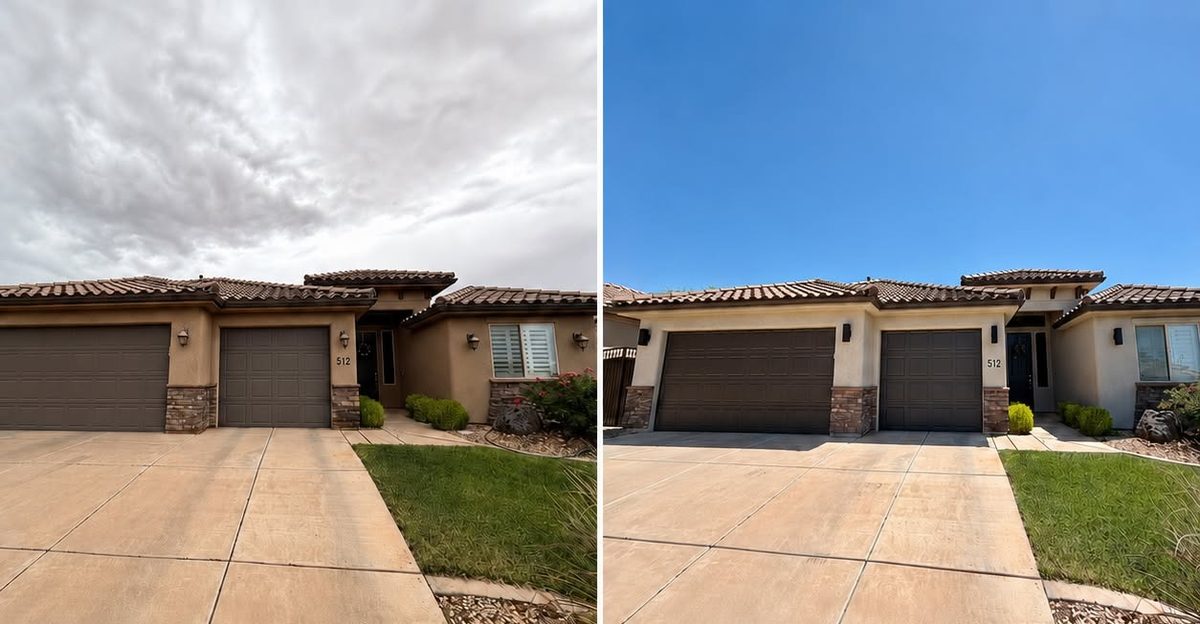
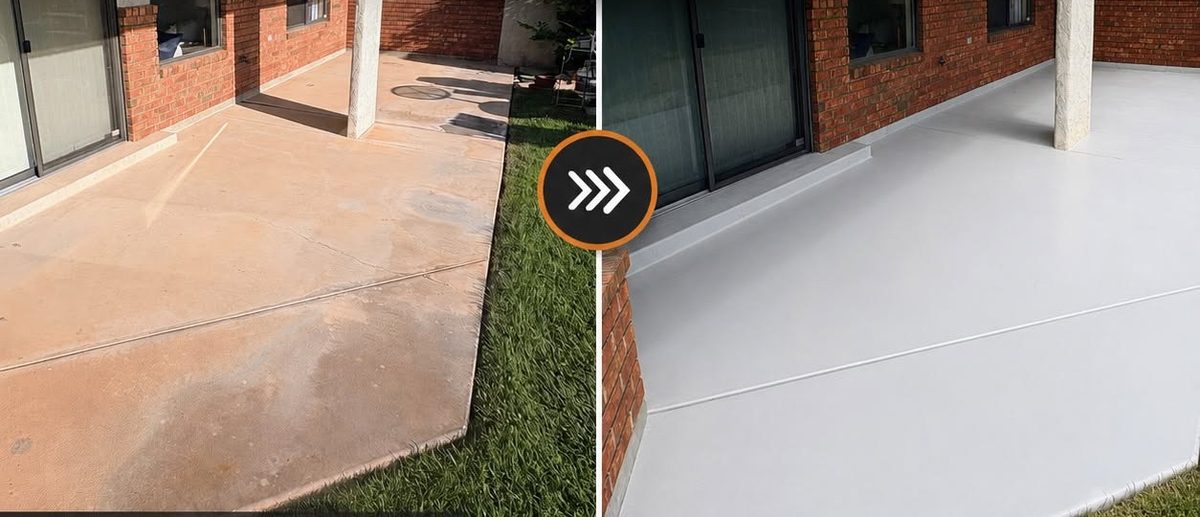
Recent local work
Work completed by contractors this site routes to. Photos are supplied by the companies that performed the job.

How this works
Step one
Tell us what the house is doing and where. Elevation, age, property type and whether it has been repaired before are worth more than picking the right category from a dropdown.
Step two
We read it for condition, scope and fit, and pick the one contractor it should go to. Requests we cannot place are told so rather than sold on.
Step three
The request goes to one place. It is not resold, broadcast to a bidding pool, or handed to a national network, and the routing is stated on the page before you submit anything.
Where the desert shows up first
Each of these starts as a symptom and ends as a different trade depending on what is behind it.